Create. Beyond limitations.

PhD Candidate @ Universiti Malaya, building UAV autonomy, robotics software, and AI-assisted engineering workflows.

Projects that work.

Each card captures context, stack, responsibility, and delivery habits — the real story behind a CV keyword.

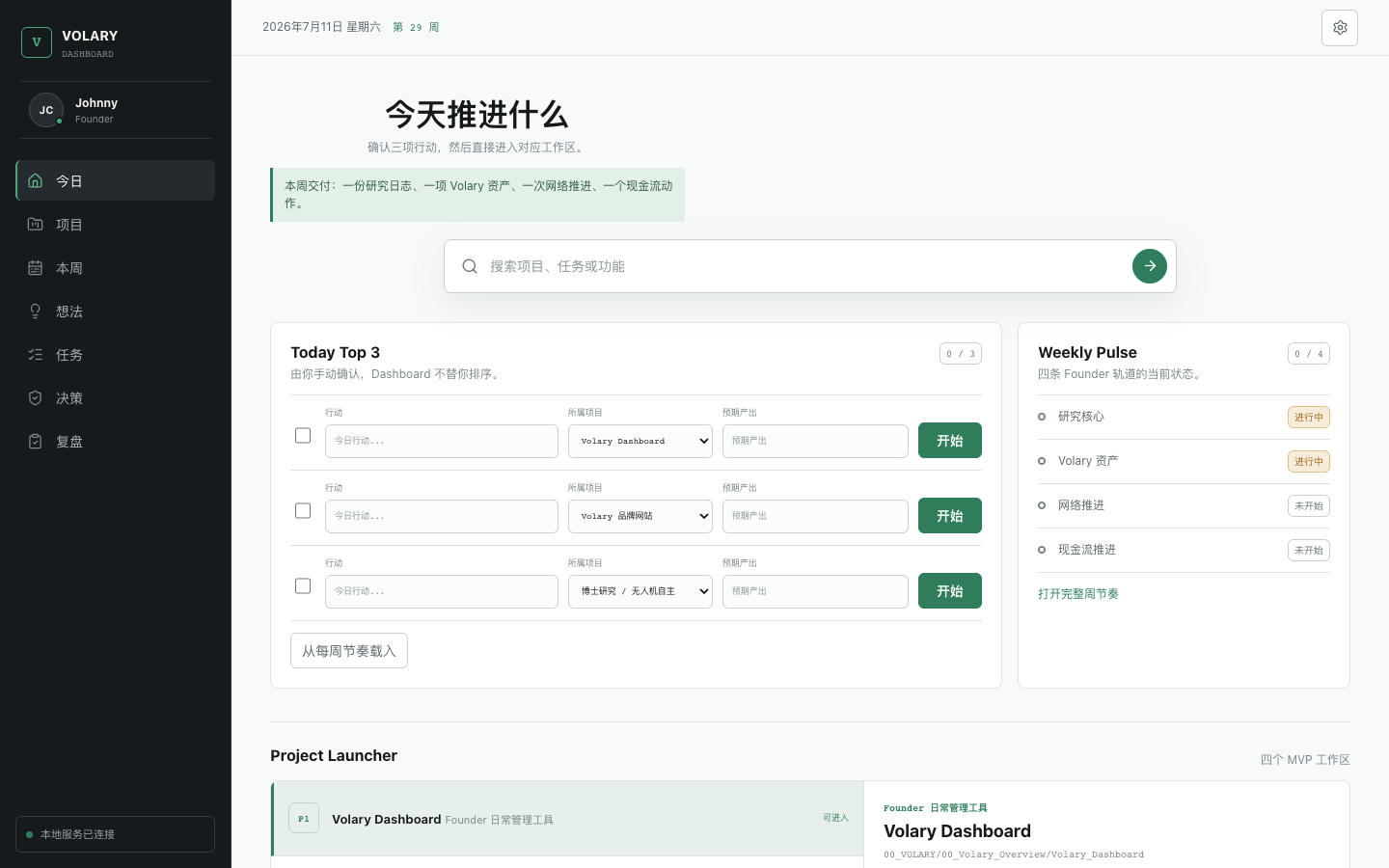
AI-assisted engineering workflow screenshot showing task planning, prompt structure, and review notes
AI-assisted workflow

AI-assisted Engineering Workflow

A repeatable workflow for turning vague requests into tasks, implementation notes, reviewable changes, and handoff documents.

StackChatGPT, Claude, Codex, Git, Markdown
RoleDesigned the workflow and used it across coding, documents, and research tracking.
EvidenceStructured prompts, task logs, generated documents, review notes, and versioned outputs.
WhyShows how I can clean up messy work and make delivery traceable.
CodexClaudeChatGPTGitMarkdown
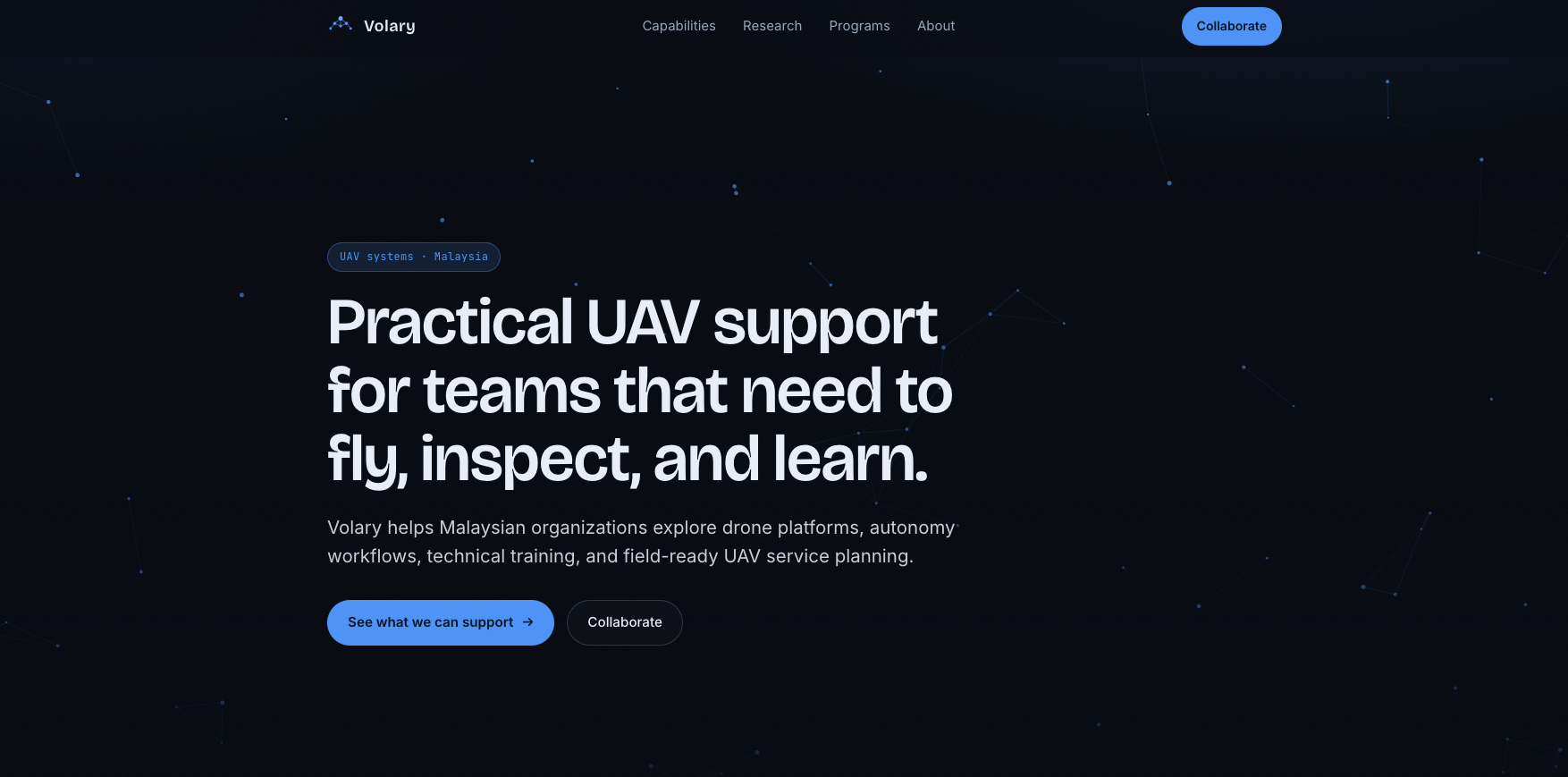
Volary UAV autonomy website screenshot
Web projects

Web Projects

Bilingual static pages, theme switching, language toggles, canvas animations — practical HTML/CSS/JS work proof, not slideware.

StackHTML, CSS, JavaScript, GitHub Pages
RoleImplemented layout, theme switch, language switch, navigation behavior, canvas visualization, and CV downloads.
EvidenceThe website itself is the artifact recruiters and engineers can inspect.
WhyShows I can ship a usable interface, not only describe one.
HTMLCSSJavaScriptResponsive UI
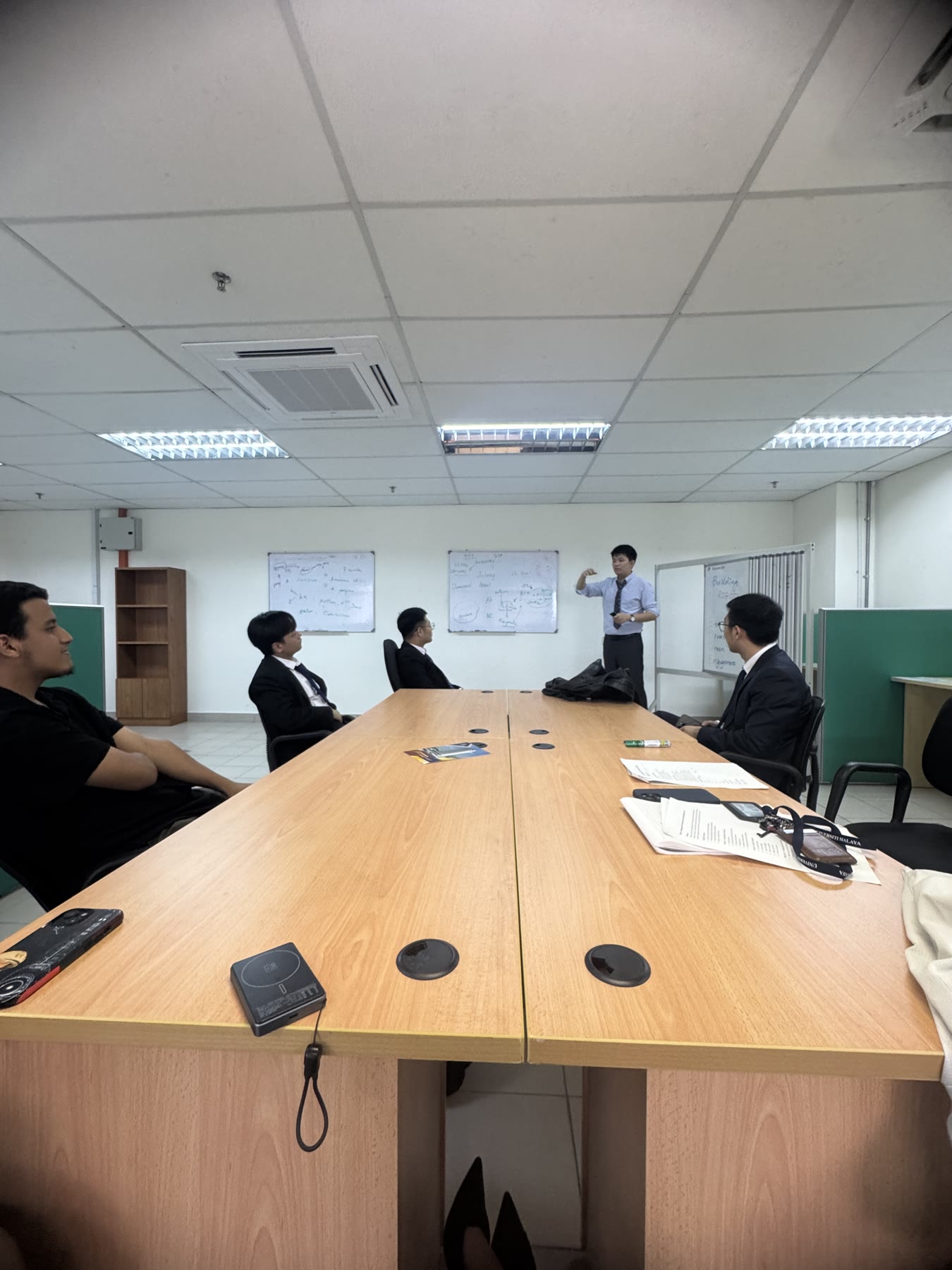
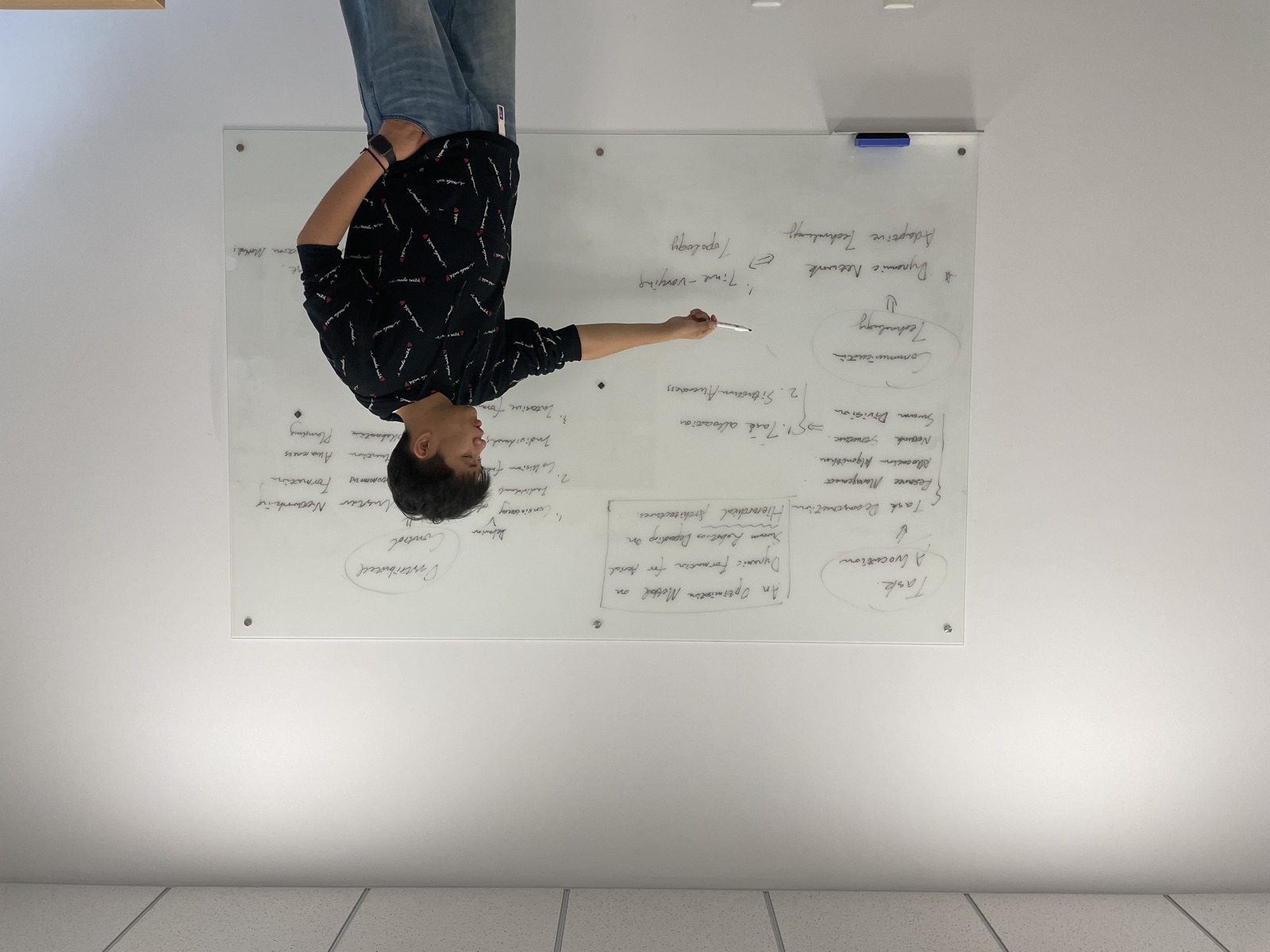
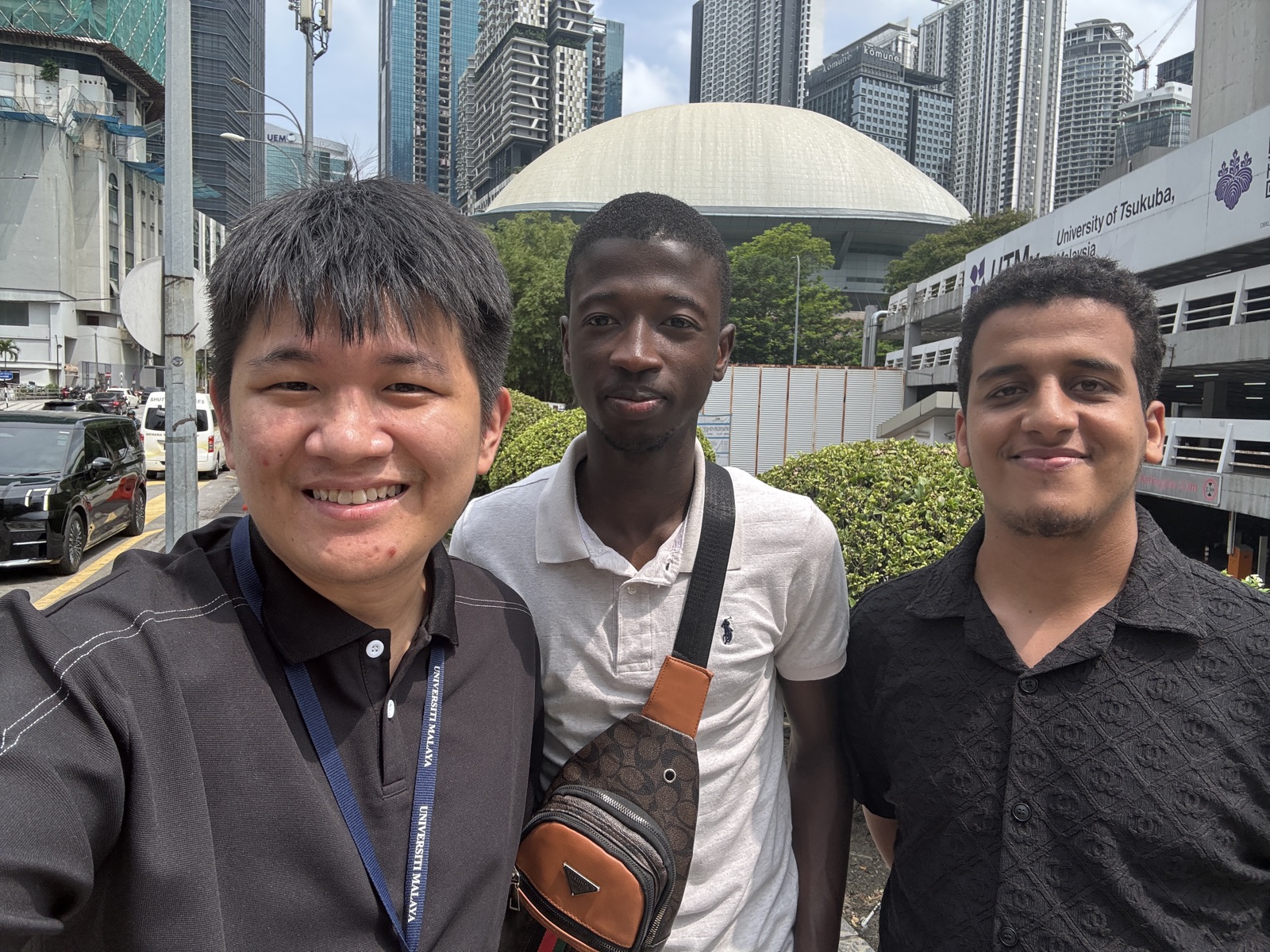
Johnny Chan discussing lab workflow with team members in a coordination room
Lab coordination

Robotedge Lab Workflow Coordination

A non-confidential view of lab coordination: task framing, documentation, update tracking, and reviewable technical outputs.

ScopeWorkflow, documentation, task management, and communication.
RoleTranslated research goals into tasks, validation notes, and handoff material.
BoundaryNo internal lab details are disclosed.
WhyMatches teams that need someone who can stabilize messy work quickly.
DocumentationTask planningReview notesCoordination
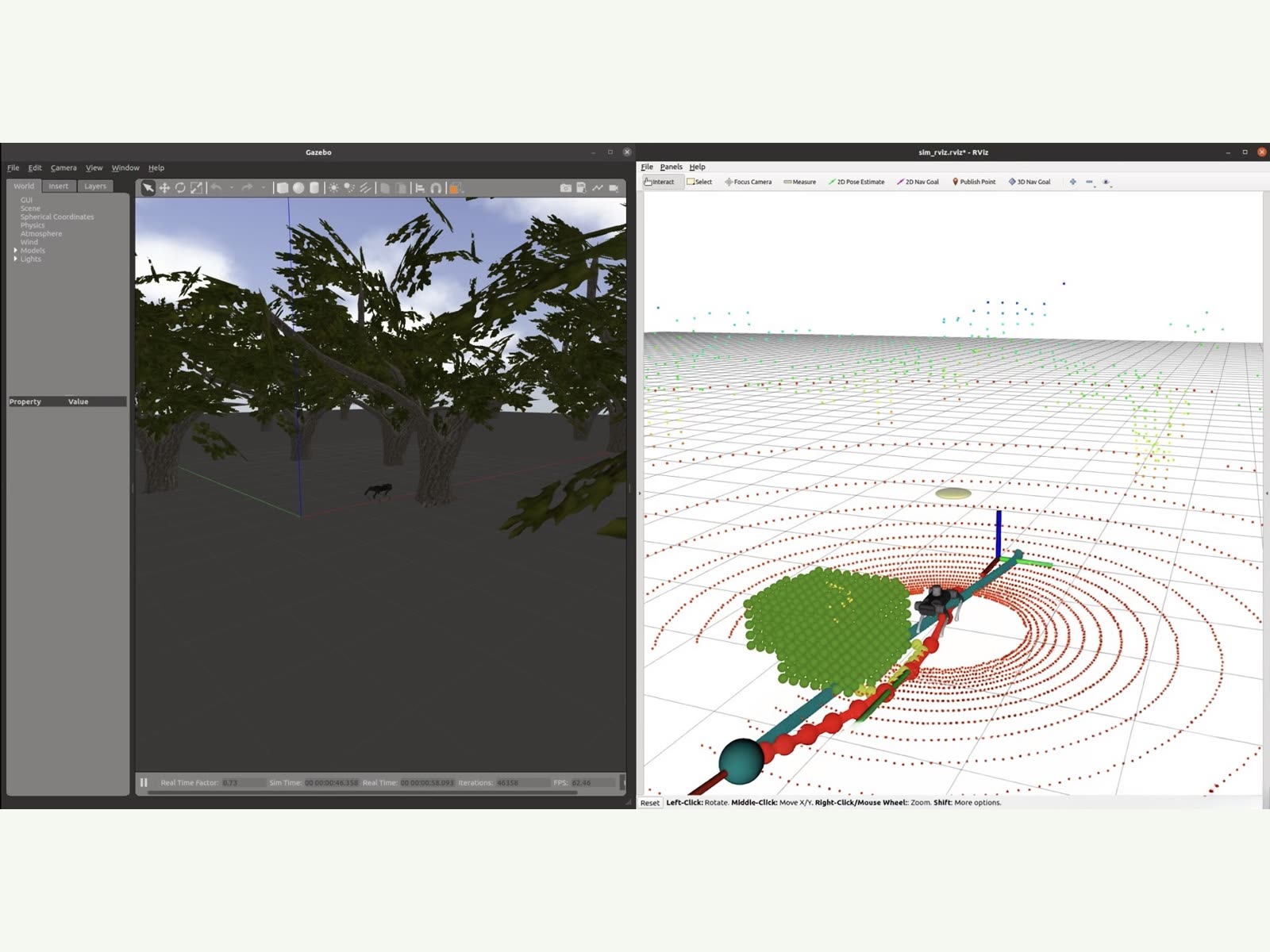
Gazebo and RViz simulation screenshot for UAV autonomy
Robotics software

UAV Simulation Platform

Simulation work for UAV autonomy, formation behavior, obstacle avoidance, and path-planning study.

StackPython, C++, ROS Noetic, Gazebo, RViz, Linux
RoleBuilt and reviewed simulation workflows and planning study artifacts.
EvidenceScenario notes, runtime observations, and reproducible setup documentation.
WhyShows software thinking in a complex technical domain.
PythonC++ROSGazeboRViz

Mechanical engineering gave me system instincts

The training was physical, experimental, and constraint-driven: model the system, understand failure, and document what changed.

R&D coordination taught me delivery reality

I worked across technical, supplier, design, and production stakeholders, where unclear requirements and missing records quickly become real delivery risk.

Robotics made the software layer unavoidable

ROS, Gazebo, RViz, Python, and C++ turned abstract autonomy ideas into runnable workflows that need setup, debugging, validation, and handoff.

Computer Science is now the operating layer

At Universiti Malaya, my work connects robotics research, AI-assisted engineering, documentation, and practical software delivery.

Research and robotics.

The research layer keeps the site personal: robotics, autonomy, and deployable AI systems remain the center of my technical taste.

Layer 01

Problem framing

Whether the domain is UAV autonomy or an internal business module, I start by making requirements, edge cases, and review criteria explicit.

Layer 02

Software stack

My strongest current stack is Python with robotics tooling, Linux, Git, Markdown documentation, and front-end basics for technical interfaces.

Layer 03

Validation and handoff

I treat implementation, test notes, technical explanation, and follow-up risks as one delivery package.

PhD topic
Computer Science research area
robotics software UAV autonomy swarm robotics distributed systems AI engineering

Engineering Workflow.

The strongest evidence I can show is not a longer skill list. It is how I turn unclear work into a maintainable delivery path.

01

Requirement

Clarify the real user problem, input data, constraints, and acceptance criteria.

02

Task Planning

Break the work into reviewable steps, risks, and checkpoints.

03

AI-assisted Development

Use AI tools to accelerate coding, review, explanation, and documentation.

04

Validation

Check behavior, logs, edge cases, runtime output, and visual quality.

05

Documentation

Write what changed, why it changed, and how someone else can continue.

06

Delivery

Package the result as a usable artifact, not just a progress claim.

I focus not only on writing code, but also on making engineering work reproducible, reviewable, and maintainable.

Technical Notes.

This will be the blog layer, but not a diary. The point is to show how I organize technical work, debug systems, and write reusable notes.

How I organize AI-assisted development

Prompt structure, task planning, human review, source control, and handoff notes.

PlannedWorkflow

ROS setup and simulation notes

Practical notes for ROS Noetic, Gazebo, RViz, environment setup, and reproducible simulation work.

PlannedRobotics

A simple Git workflow for solo projects

Branching, commit hygiene, review checkpoints, and how to avoid losing useful work.

PlannedGit

Building documentation people can reuse

Requirement notes, implementation summaries, decision logs, known limitations, and next steps.

PlannedDocs

Get connected with me.

Best-fit conversations: business software, Python development, internal tools, AI-assisted engineering workflows, robotics software, and documentation-heavy delivery.